
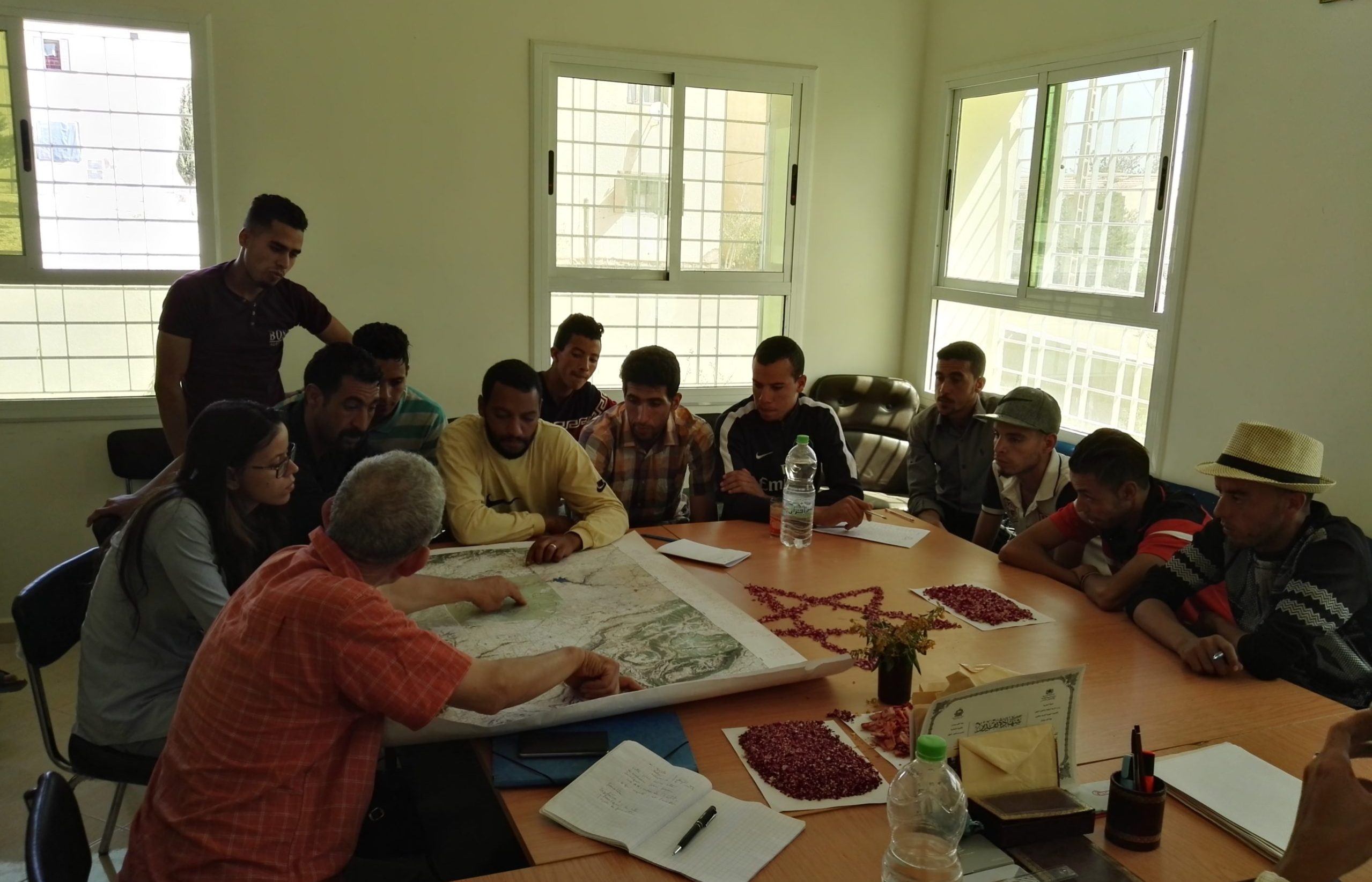
Morocco launched a large-scale solar plan aimed at harnessing solar resources through the development of a minimum capacity of 2,000 MW by 2020. The Moroccan Agency for Sustainable Energy (MASEN), established in 2010, is responsible for the development of this solar plan. Its main missions include implementing integrated solar projects across Morocco, developing sectoral expertise in solar energy, and positioning itself as a strategic advisor both nationally and internationally.
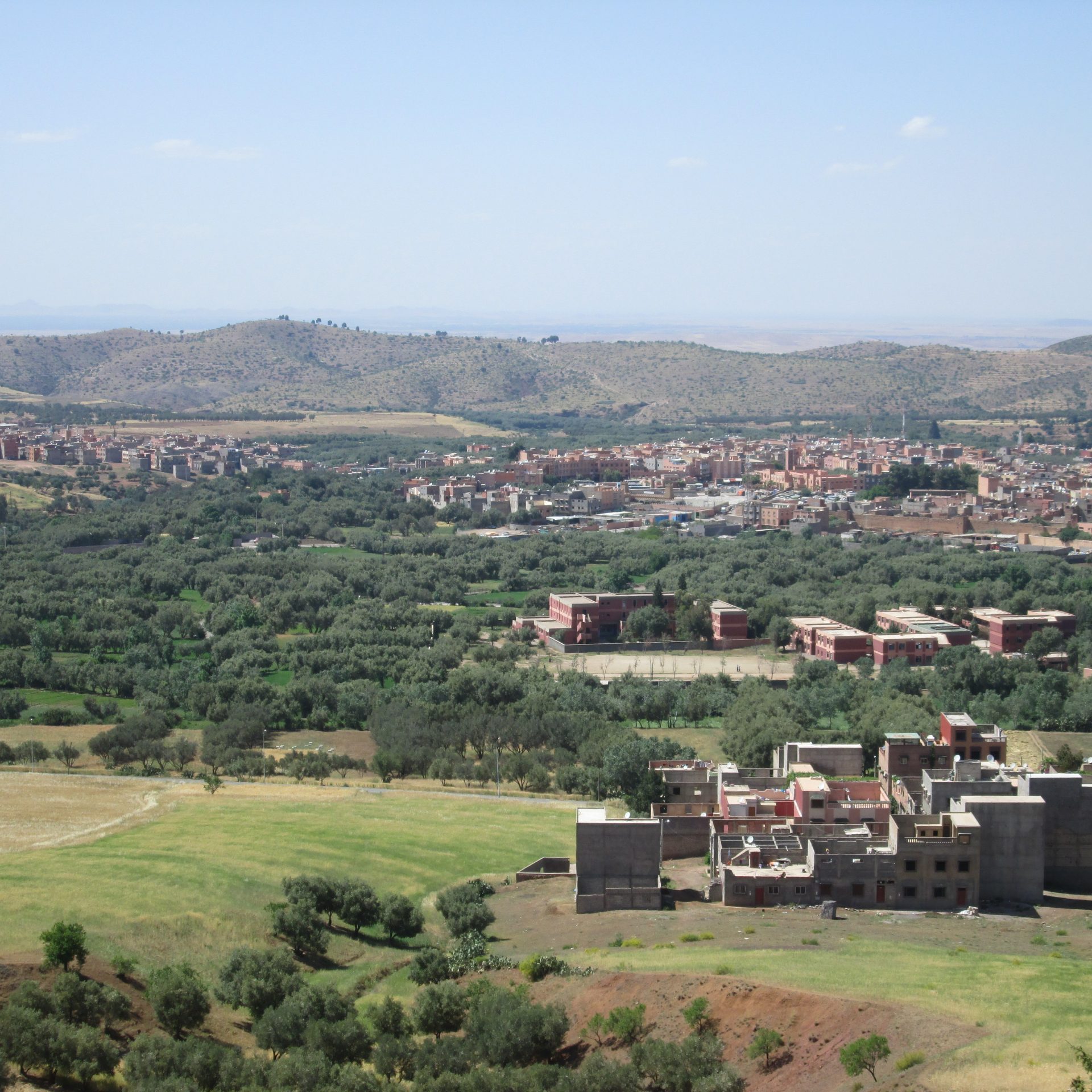
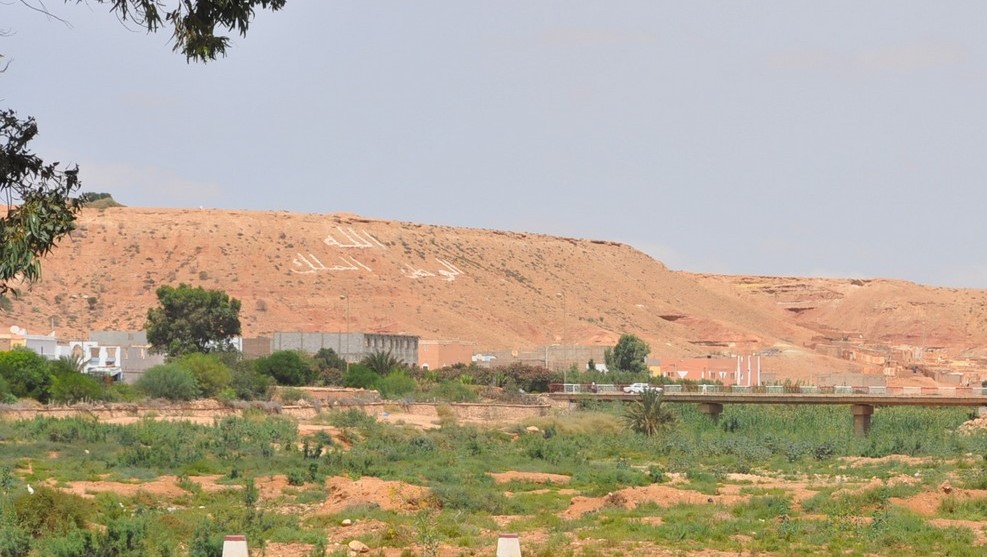
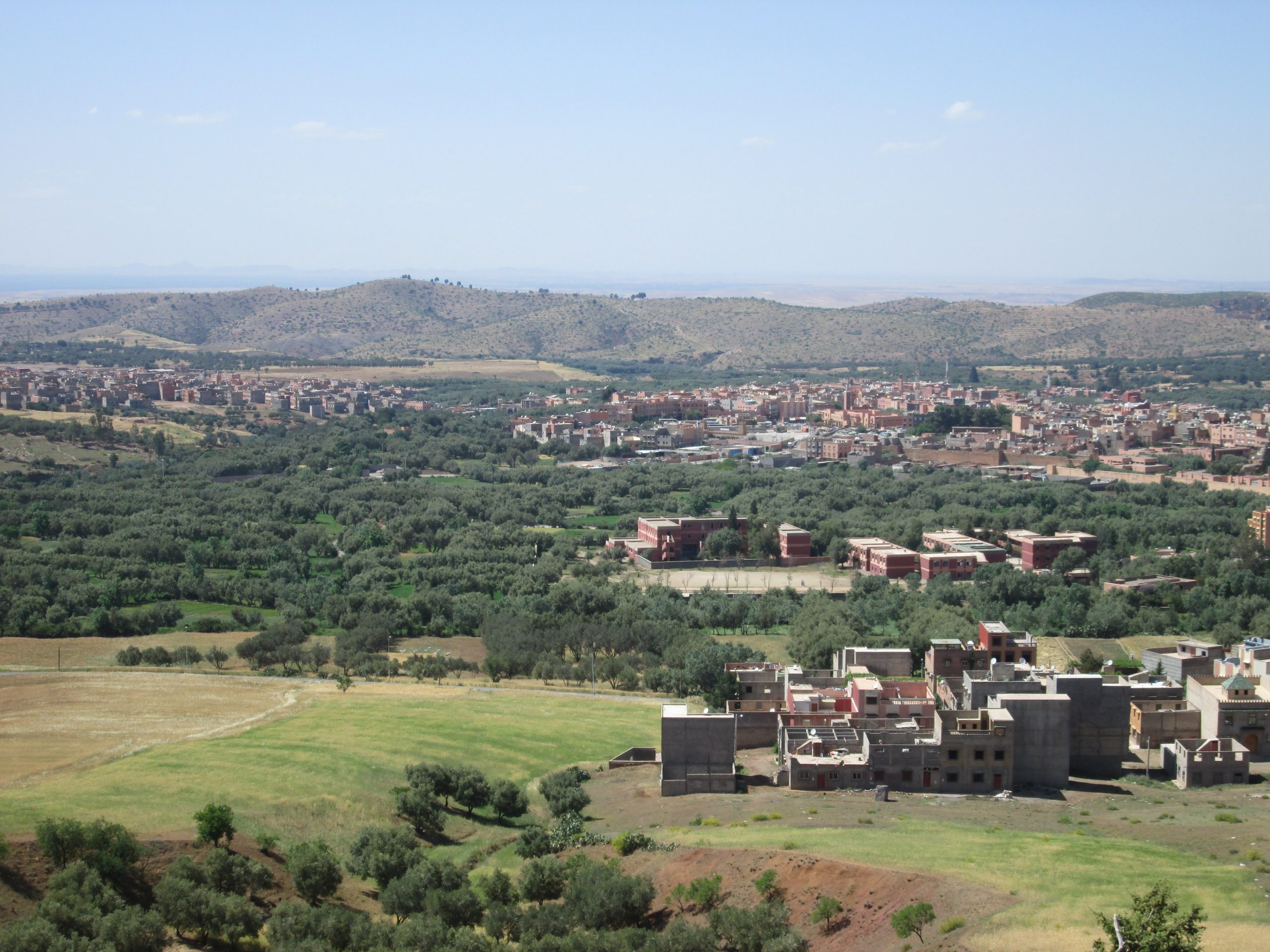
As part of the second phase of the Noor Solar Plan, MASEN qualified the site of Midelt, a city located 200 km from Fès, which will host the second solar complex with a minimum capacity of 400 MW.
A project of such infrastructure magnitude must be studied from multiple angles upstream to ensure its integration into the local context, optimize socio-economic benefits, and establish accompanying measures to mitigate potential negative externalities.
Among these studies and commitments is stakeholder engagement, including the socio-economic component.
Within the framework of German cooperation for sustainable development, the Deutsche Gesellschaft für Internationale Zusammenarbeit (GIZ) GmbH supports MASEN’s activities in Midelt. Through its project “Renewable Energy and Energy Efficiency in the Provinces of Tata and Midelt” (EDMITA), GIZ aims to strengthen local capacities to realize development potential from renewable energy and energy efficiency. The EDMITA project is conducted under the supervision of the Ministry of Energy, Mines, Water, and Environment (MEMEE).
Activities carried out and main outputs:
- Conducting douar surveys and focus groups with local communities and institutional stakeholders.
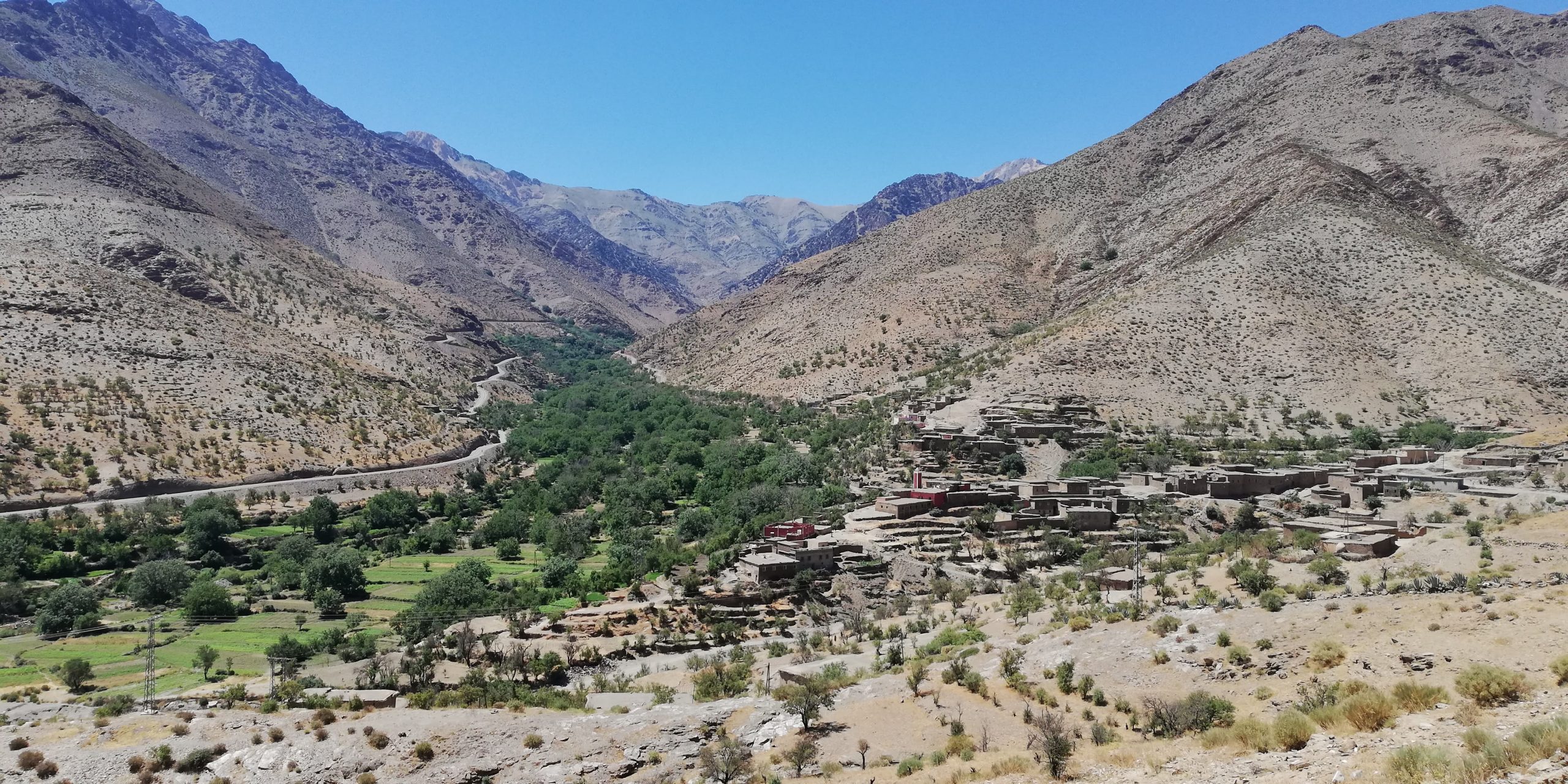
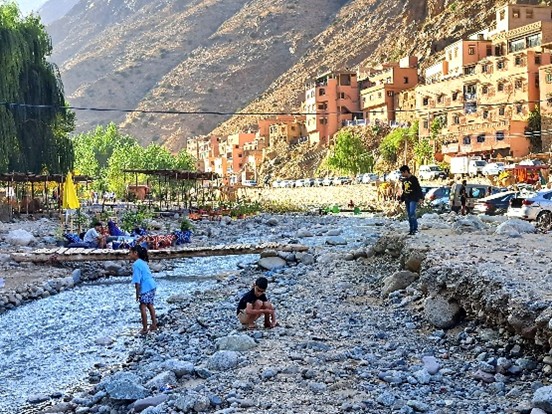
- Characterizing the population within the project’s area of influence (environment and natural resources, social structure, economic activities, etc.).
- Identifying the issues and challenges faced by the population in the project’s area of influence (employment and human development, social structures and organization, etc.).
- Assessing perceptions and expectations regarding the project, as well as the communication behaviors of stakeholders (both local populations and institutions).
- Developing the Stakeholder Engagement Plan: objectives, social organization and communication behaviors, social hierarchy, stakeholder mapping, gender approach, interaction methods and measures in favor of women, communication plan (issues, objectives, targets, messages and languages, channels and media), grievance management system, partnership opportunities, timeline, etc.
- Action plan report (objectives, scope, and implementation).
- Stakeholder Engagement Plan report (monograph, qualitative analysis, engagement plan).