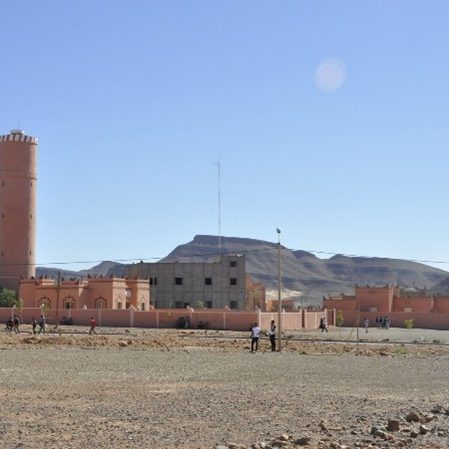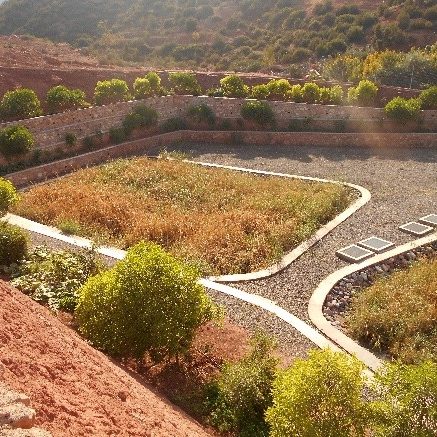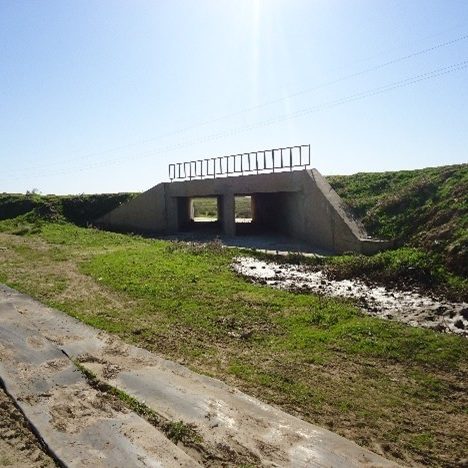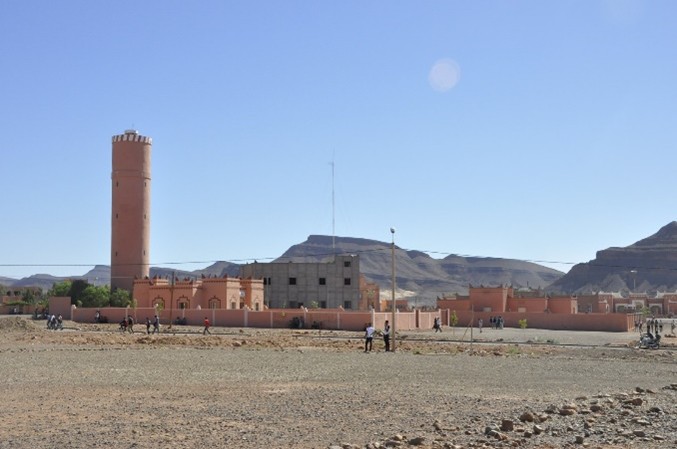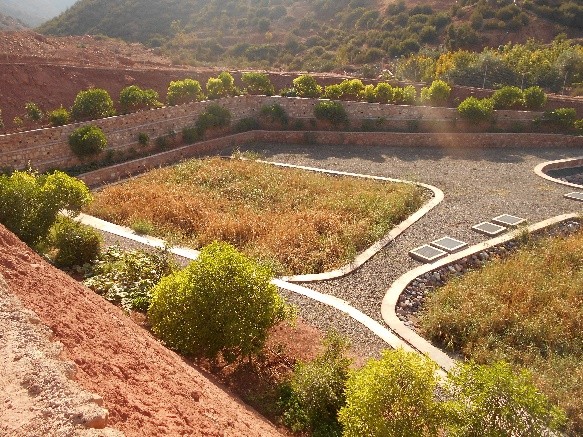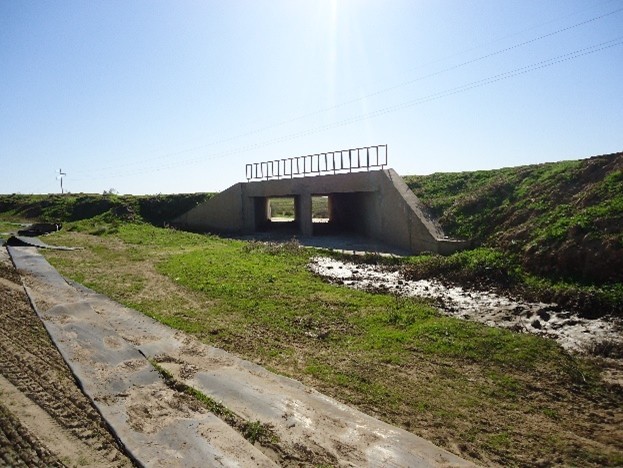

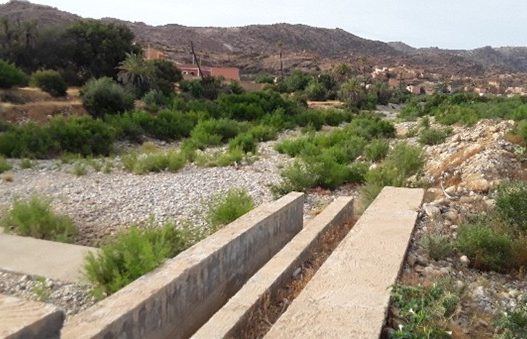
The evaluation of artificial groundwater recharge projects in Morocco aimed to assess the effectiveness of actions undertaken within the framework of the National Water Strategy. It first involved compiling a comprehensive inventory of completed, ongoing, and planned projects through document collection from the Directorate of Water Research and Planning, Basin Agencies, and research institutions, supplemented by field visits. Each project was documented in detail, covering its context, location, objectives, technical setup, hydrogeological characteristics, operation, volumes mobilized, and any identified constraints.
This information was then organized into summary sheets and integrated into a GIS database, accompanied by thematic maps to provide a consolidated spatial overview of all artificial recharge projects at the national level.
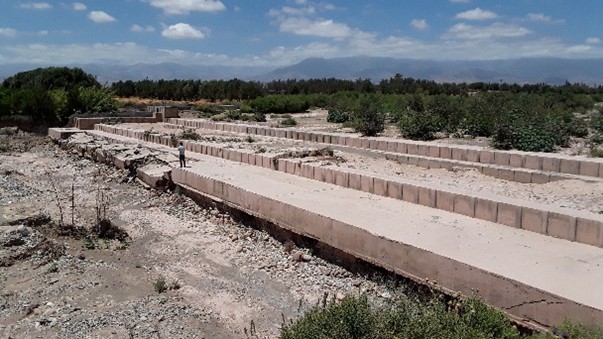
The second mission focused on evaluating the operation and performance of each project, based on guidelines defining assessment criteria: condition of the structures, performance of the monitoring network, trends in hydrodynamic parameters, alignment of recharged volumes with initial objectives, and economic analysis. This critical evaluation relied on technical data, field observations, and feedback from local supervisors. It resulted in a national synthesis identifying gaps, priority issues, and recommended actions to improve the future implementation of the artificial recharge program and strengthen the preservation of overexploited aquifers.