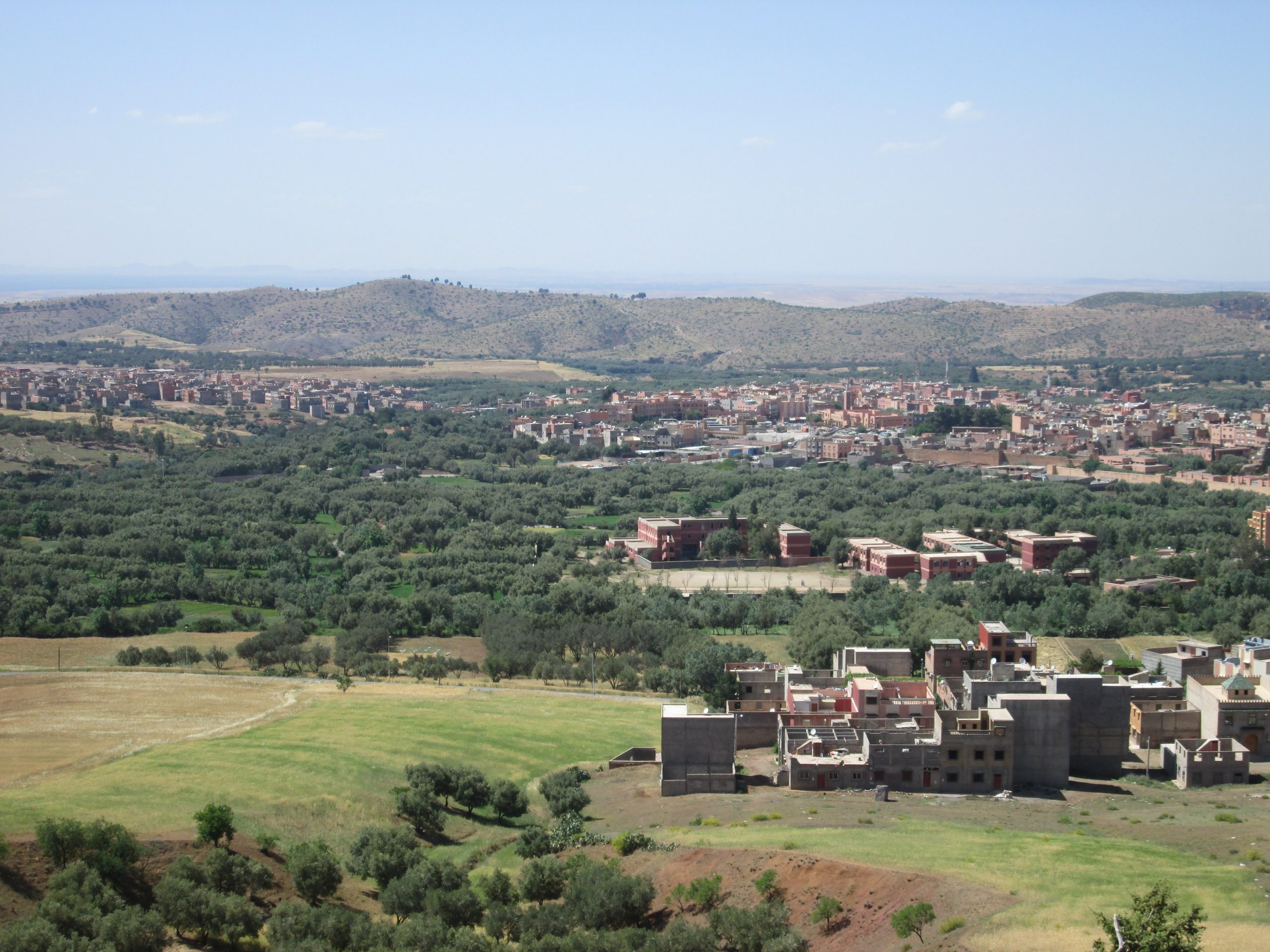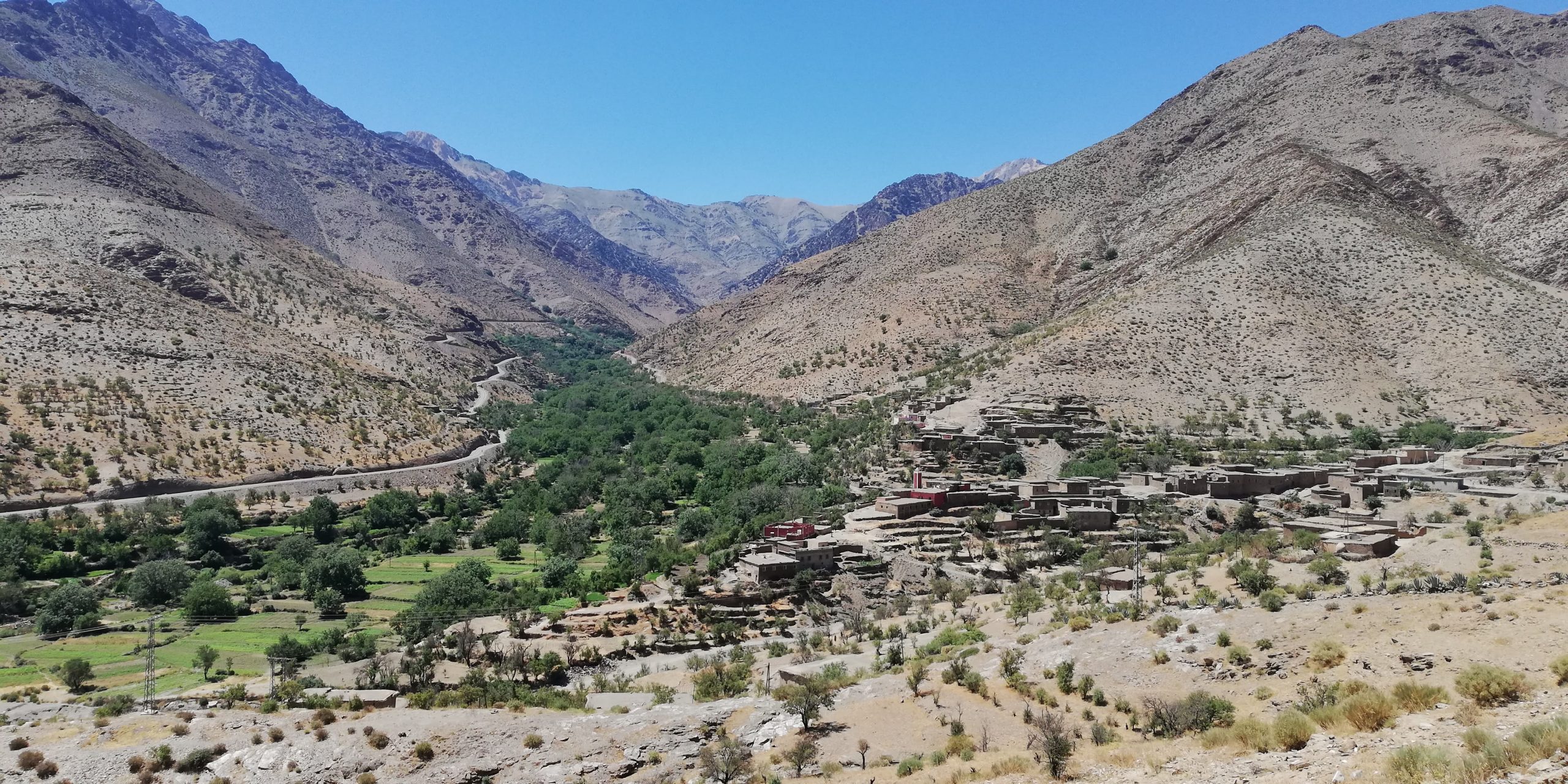

Efficient irrigation is critical in the High Atlas, where chronic water management challenges limit agricultural productivity and threaten local livelihoods and ecosystems. Chronic water management problems in many High Atlas communities have significant impacts: they severely limit agricultural production, contributing to poverty, inequality, and economic migration. By reducing water availability for the vulnerable ecological zones surrounding these communities, poor agricultural water management also increases pressure on the local ecosystem, already weakened by overharvesting of valuable plant species, overgrazing, and climate change. Increasingly dry springs and summers worsen this issue, as irrigation systems rely on both rainfall and nearby streams. This inefficiency therefore also affects the fragile surrounding ecosystem, which depends on sufficient water flows. Implementing efficient irrigation projects for smallholder plots and community nurseries—where economically and ecologically important species are grown for sale and reforestation—has addressed three interconnected issues: poor water management, poverty, and ecological degradation.
The main problem addressed by this project, implemented by RESING in partnership with MBLA, is irrigation inefficiency, particularly in community nurseries and smallholder plots. Significant leaks and water losses occur in earthen irrigation canals (seguias) and poorly maintained earthen collection basins, reducing agricultural productivity. The project rehabilitated approximately 1.7 km of seguias in the communes of Imegdal and Ait M’Hamed and constructed a 400 m³ storage basin in Imegdal, benefiting nearly 180 families.
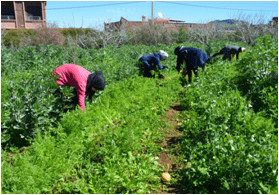
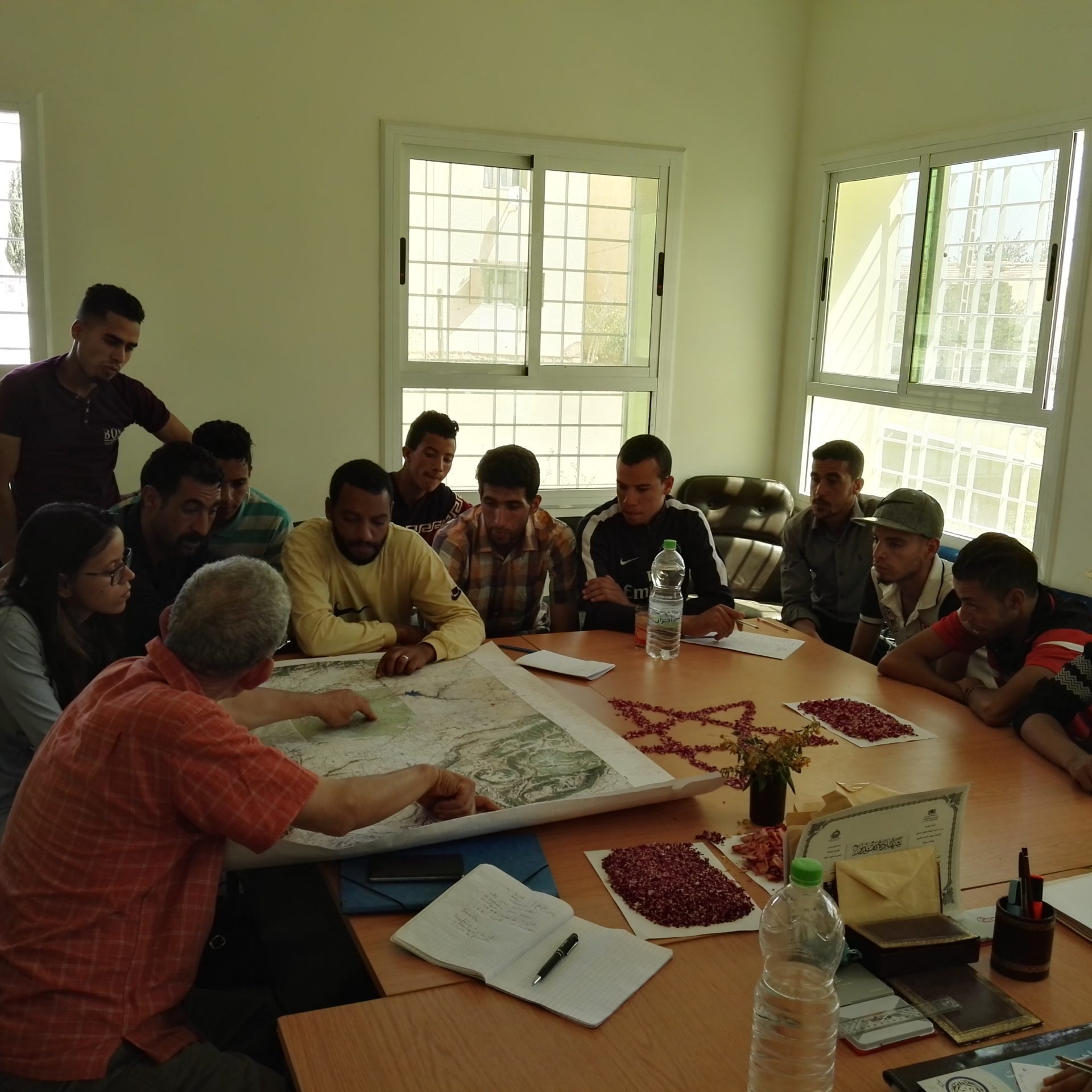
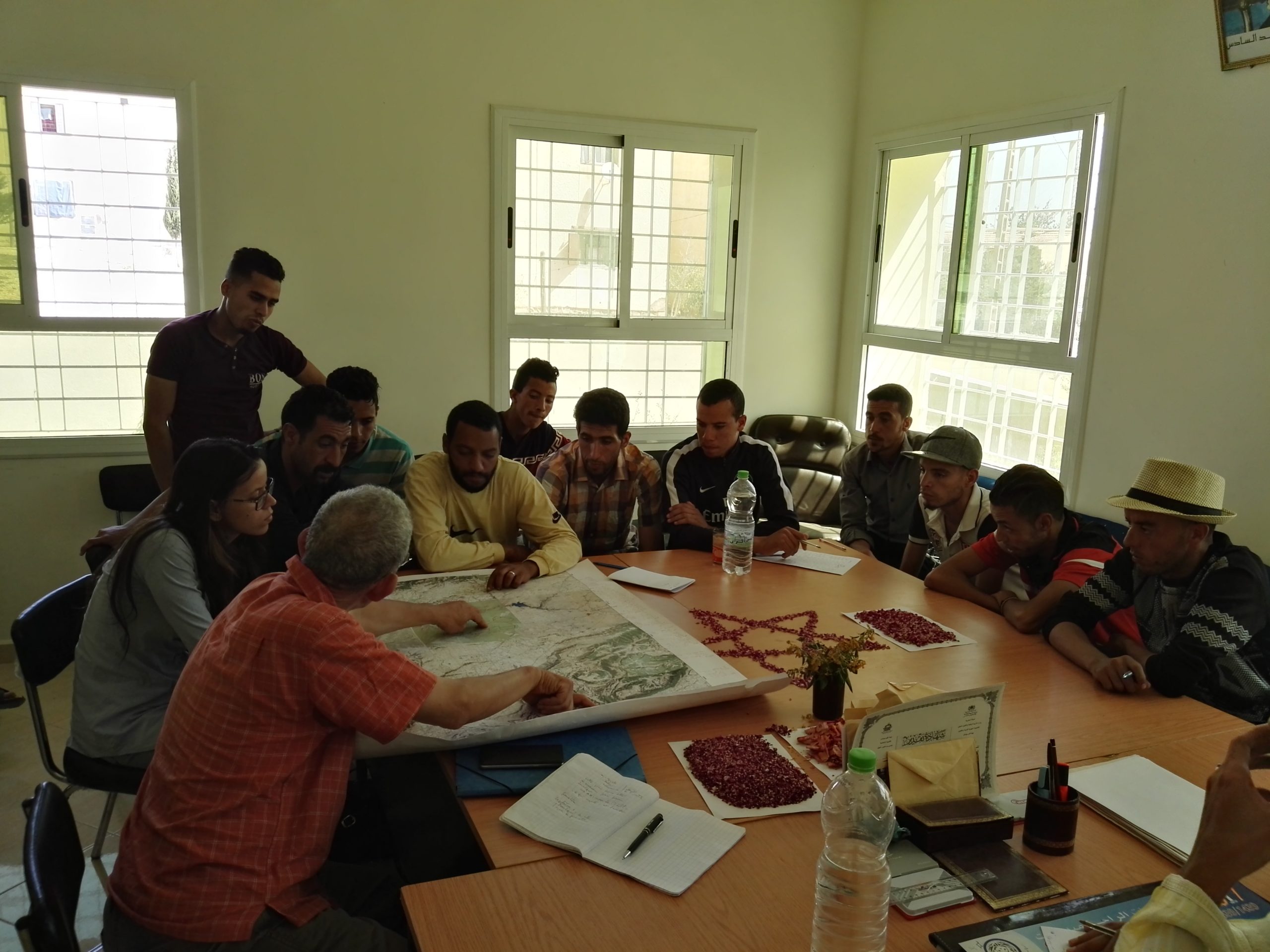
Thanks to the project, the Imegdal community nursery is now equipped with a state-of-the-art drip irrigation system, ensuring year-round irrigation. More than 2,000 aromatic and medicinal plants have been distributed to local smallholders. Farmers’ knowledge and skills have been strengthened through training on water-saving practices, irrigation techniques, community post-harvest processes, value addition, and product marketing.

The infrastructure implemented in Imegdal and Ait M’Hamed will ensure more efficient irrigation and longer growing seasons, increasing yields and smallholder incomes through the cultivation and sale of high-value medicinal and aromatic plants. If the project is replicated in surrounding communities, wild populations of these plants will become more abundant thanks to reforestation and increased water flows, enabling sustainable harvesting.
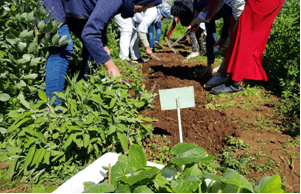
RAIN funding also enabled the creation of a permaculture garden and a modern irrigation system at the Dar Taliba girls’ boarding school training center in the Ourika Valley. This integrated garden includes a nursery of local species showcasing medicinal and aromatic plants. The nursery was established in collaboration with a local association and three surrounding communes, which benefit from the cultivated plants and training activities. As part of the project, partners trained a group of students in nursery management, irrigation, and permaculture techniques. The girls of Dar Taliba have thus acquired skills that improve their economic prospects and enable them to apply more ecological agricultural and irrigation techniques in their home communities.