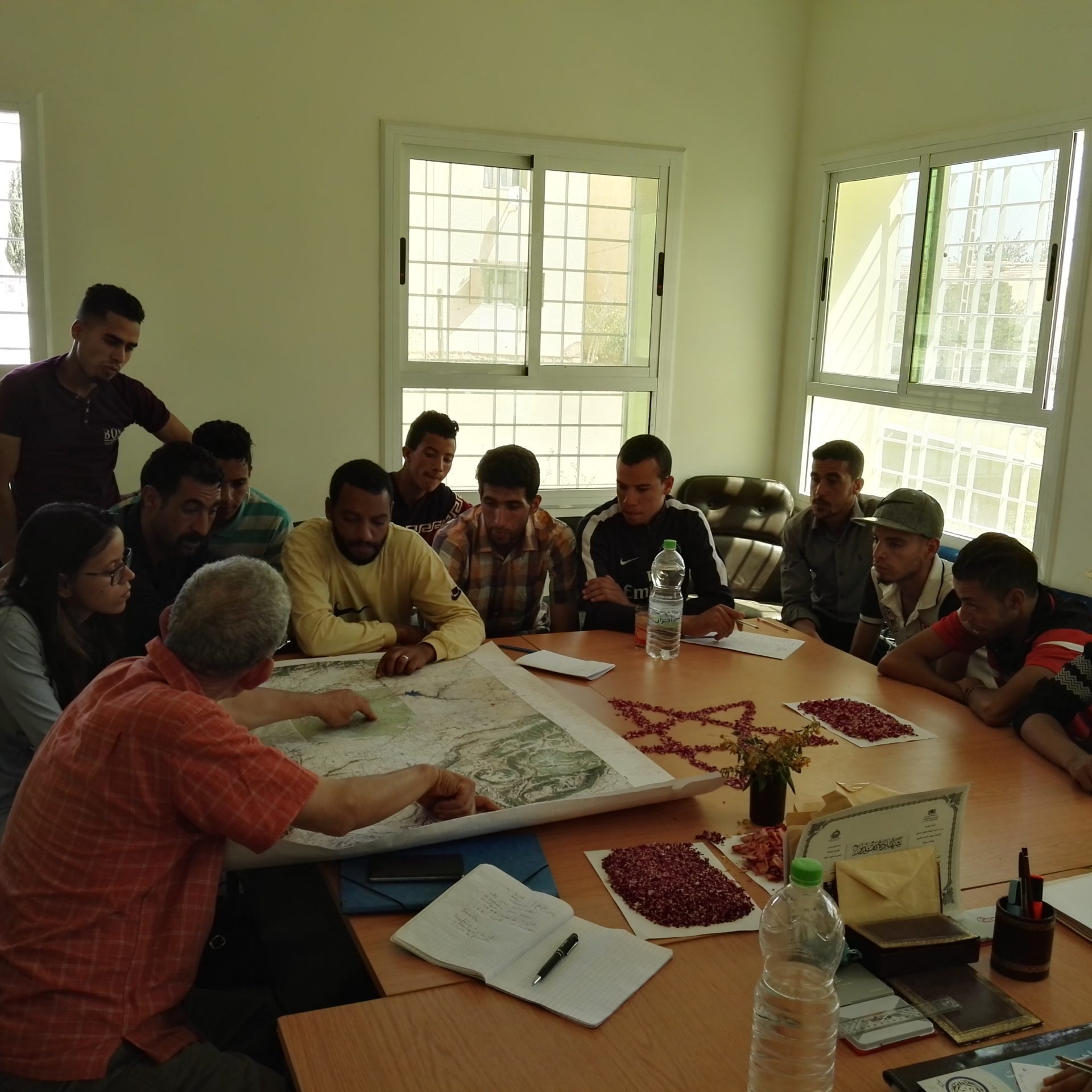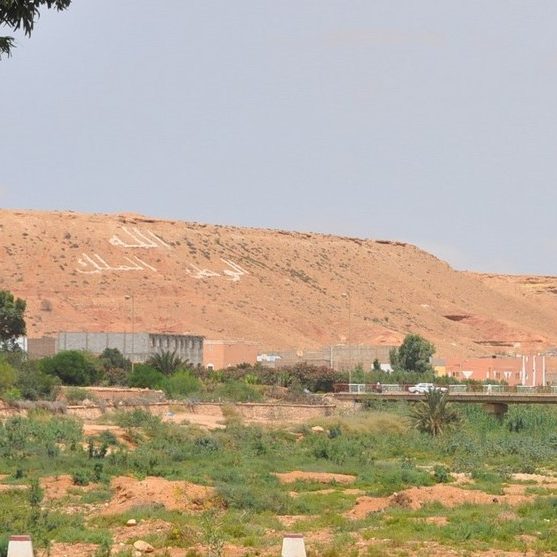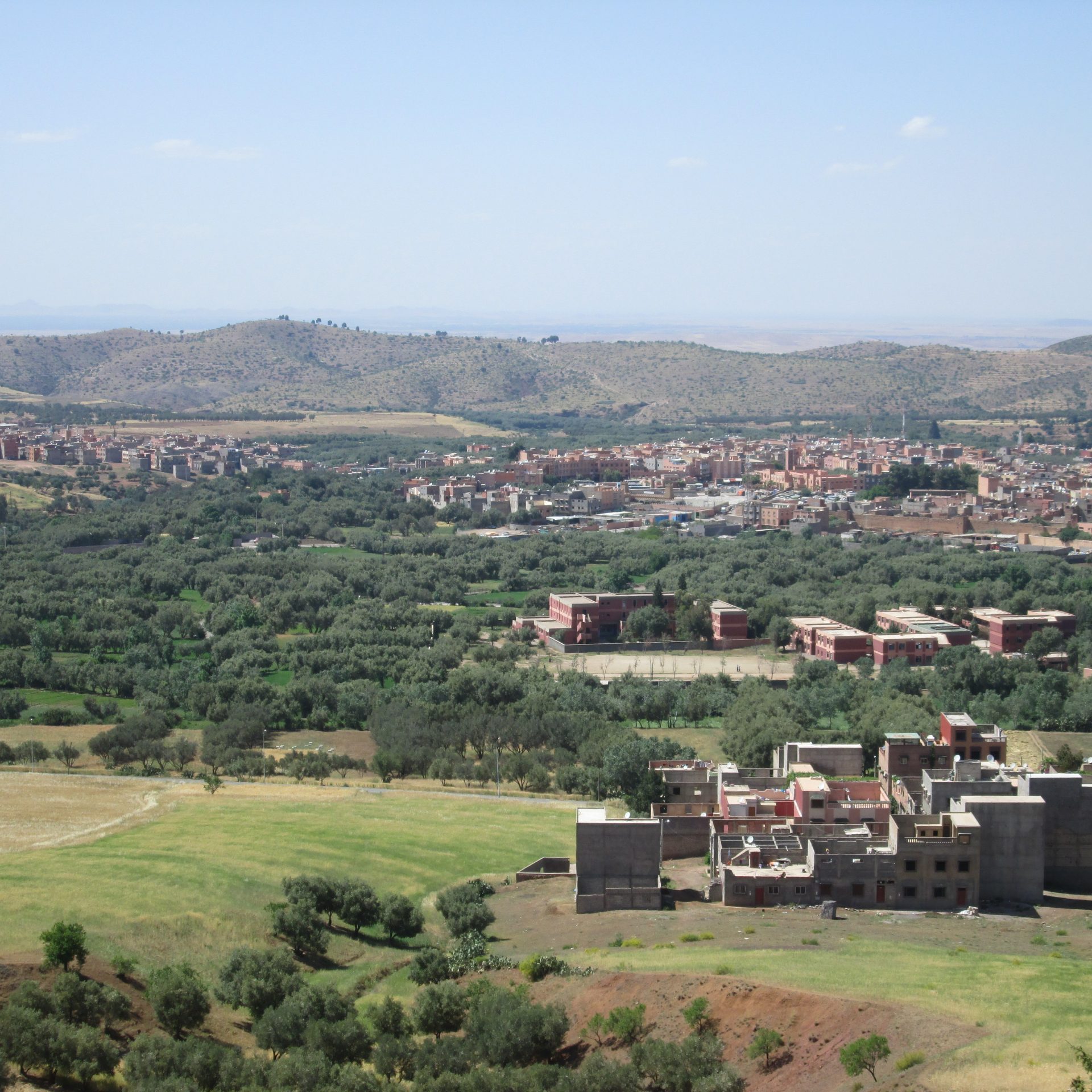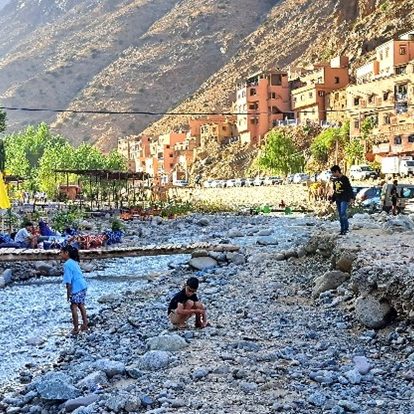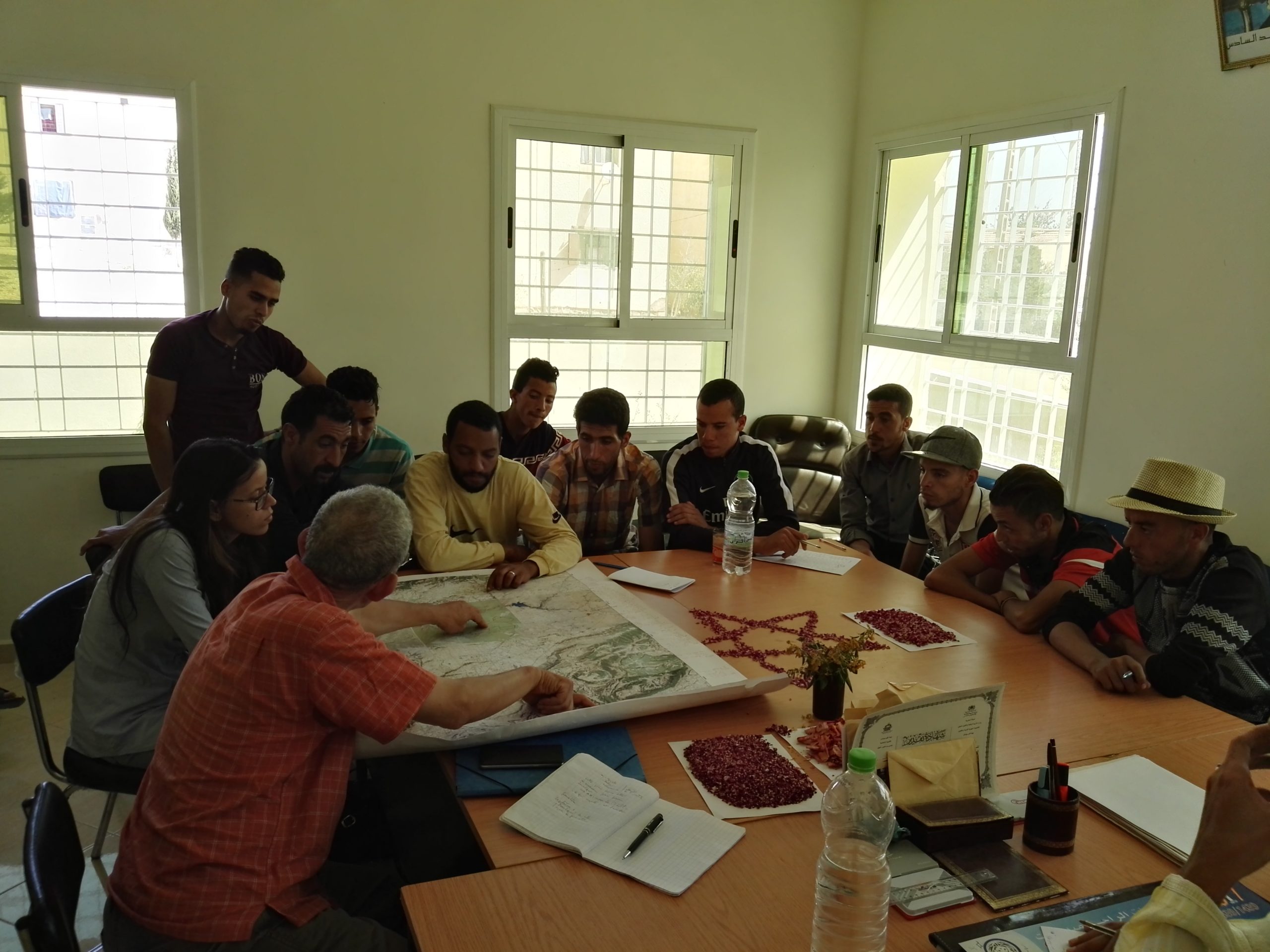


The study, conducted for the Marrakech-Safi Region and the Marrakech Urban Agency, aimed to support and guide territorial dynamics in the mountain areas, providing the region with a strategic framework for balanced planning and sustainable development. It resulted in a reference document intended to guide decision-making in land-use planning, framing policies, projects, and current and future transformations of the mountain territories on the northern slopes of the Western High Atlas.
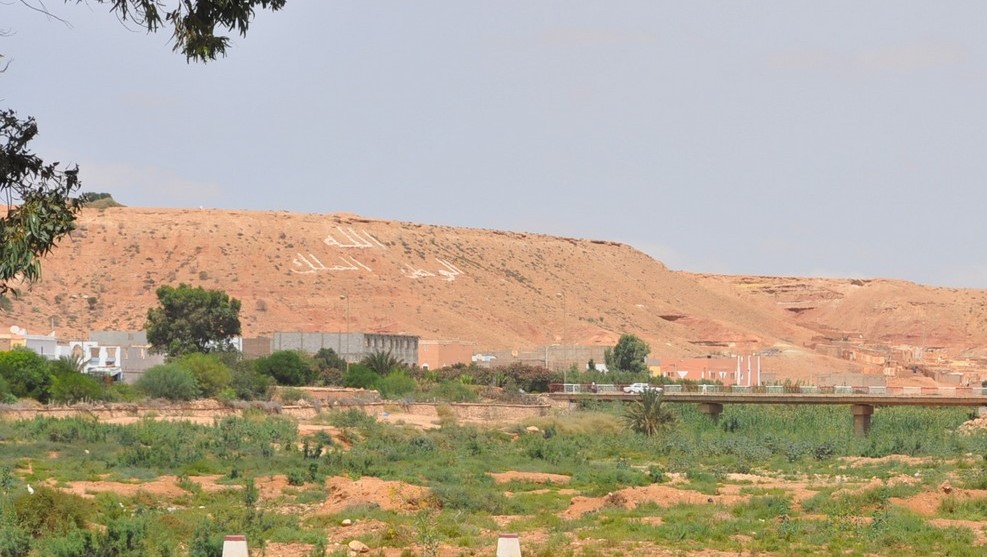
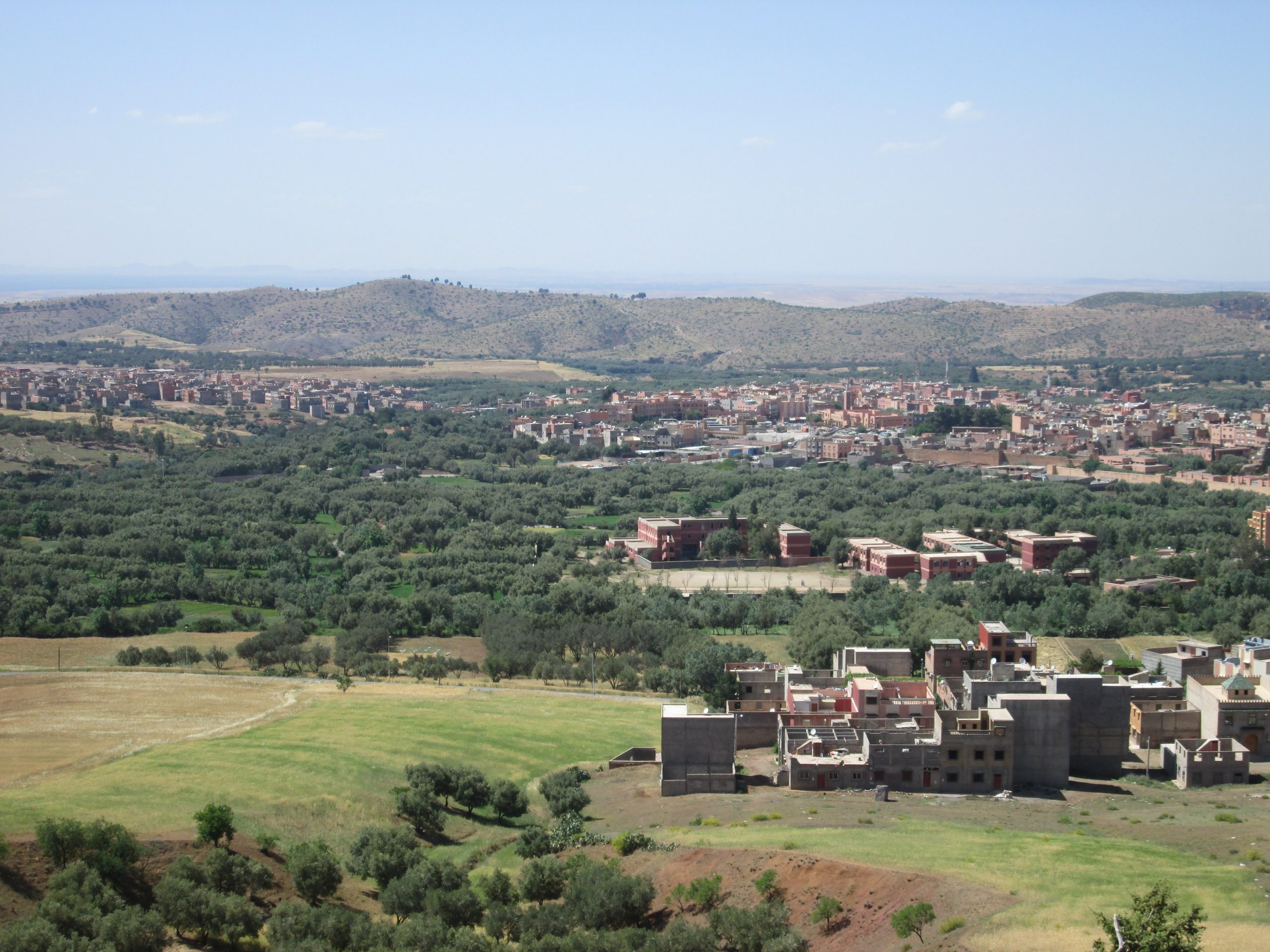
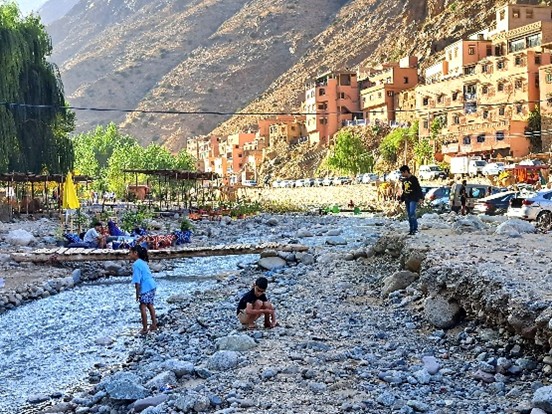
The study area covered the mountain communes of the provinces of Al Haouz, Chichaoua, and Essaouira, representing a vast and diverse territory marked by significant natural and socio-economic constraints.
The study pursued several specific objectives: to establish a comprehensive baseline incorporating spatial planning analysis, environmental and socio-economic diagnostics, and an analysis of interactions between mountain areas and the rest of the region; to propose a strategic vision for planning, rural development, and urbanization based on stakeholder consultation; and to define operational guidelines aimed at balancing population and natural resources, upgrading emerging centers, managing urbanization in a controlled manner, enhancing heritage, and promoting ecotourism.
The study also provided specific guidance on major infrastructure, identifying actual needs, highlighting strategic sites, proposing the sizing of structuring projects compatible with sustainable development, and integrating landscape protection into all planning proposals. Particular attention was paid to optimizing the distribution of road infrastructure and superstructures in a logic of economic and environmental efficiency.
The work was carried out in two main phases: the first focused on the methodological approach, territorial diagnosis, and identification of development issues; the second dedicated to the development of the Mountain Planning Orientation Framework, based on the analyses conducted and consultations carried out.