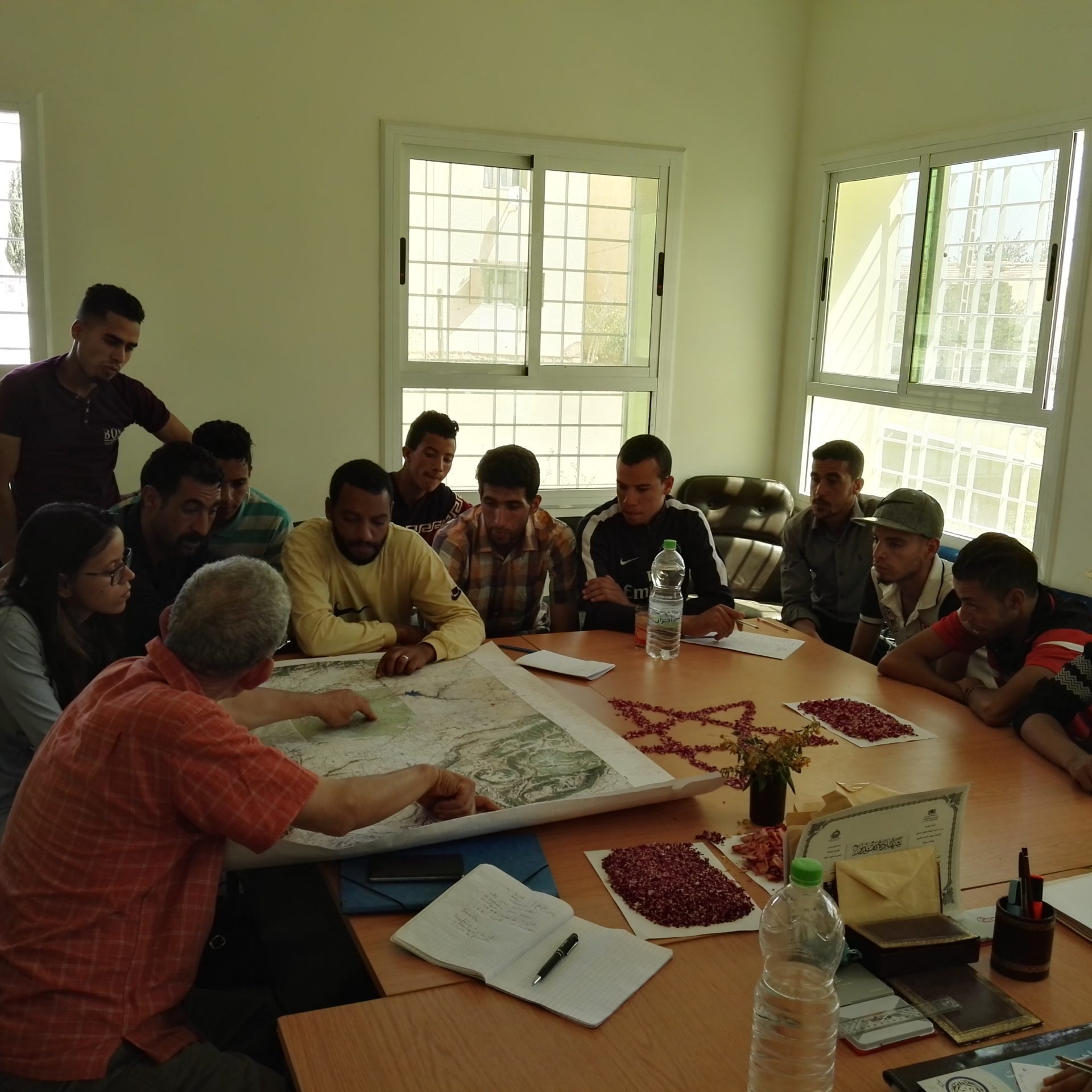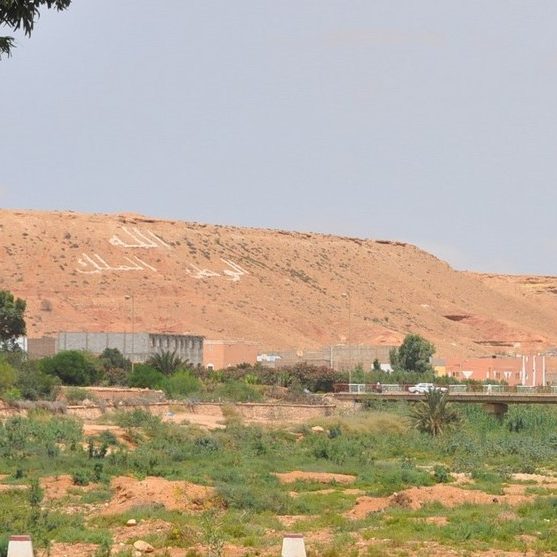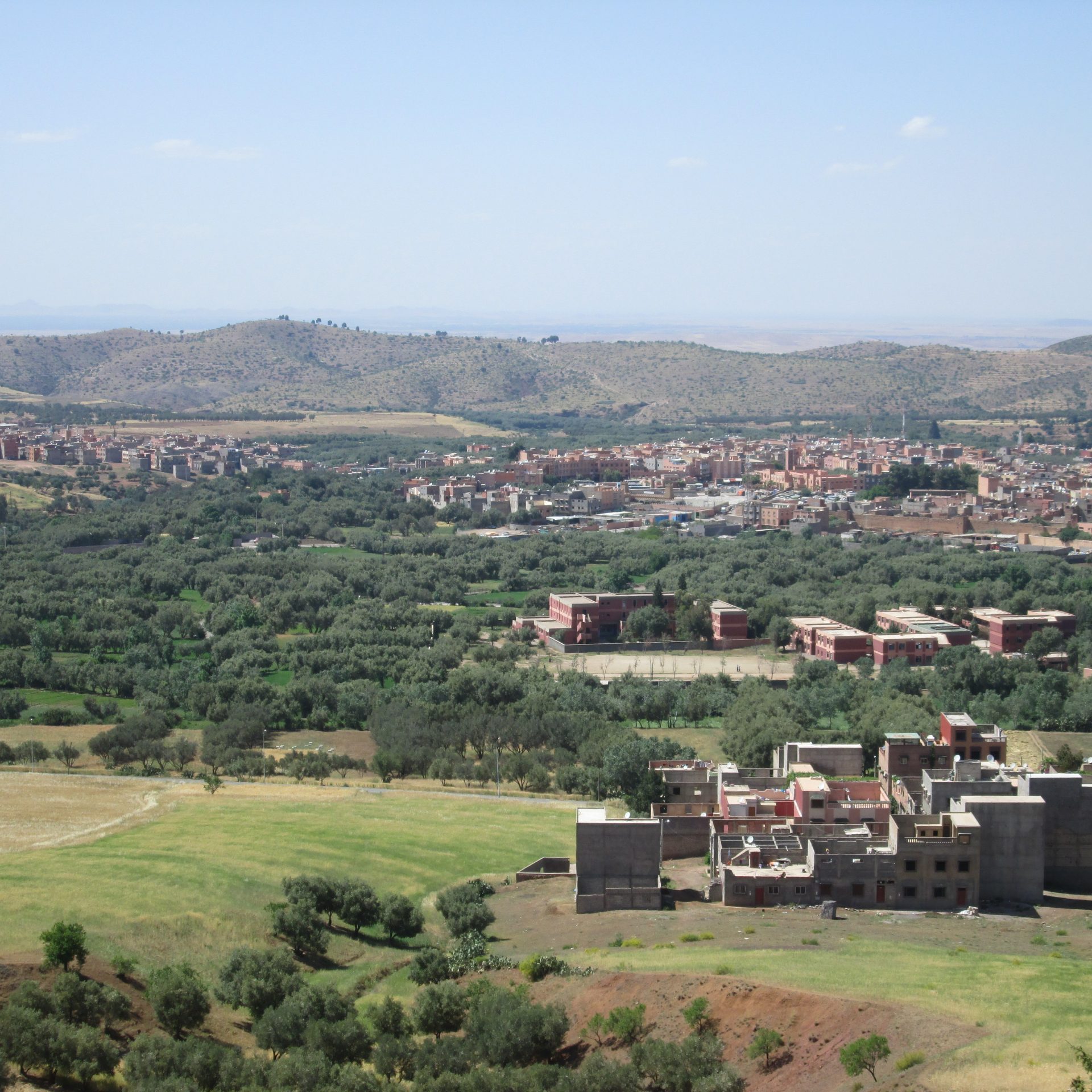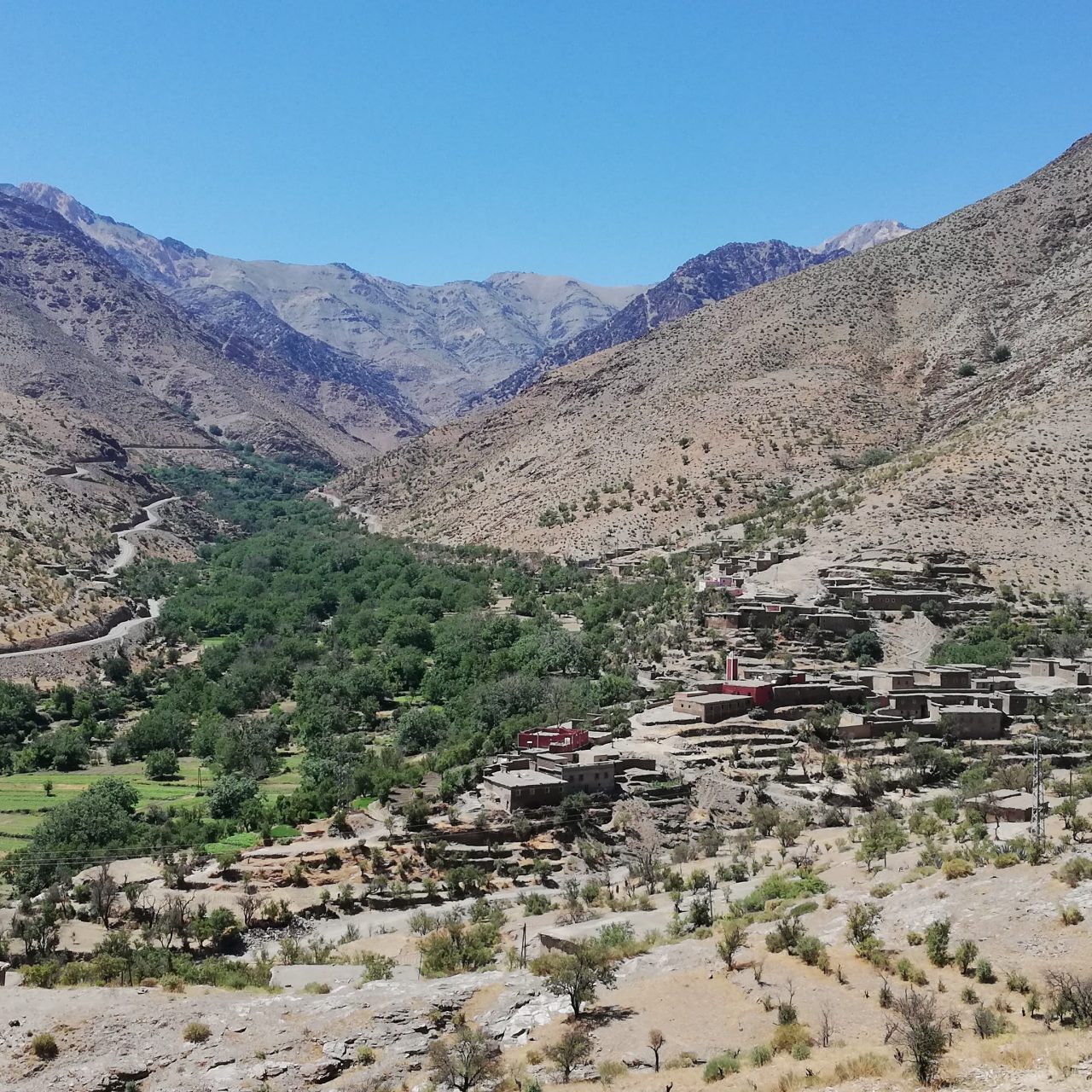

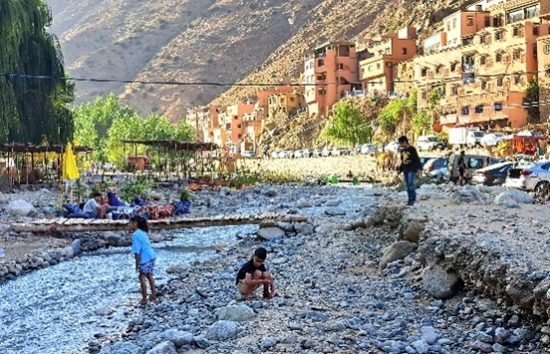
The mission entrusted to RESING is part of Axis 1 – Water Resources Governance, of the project “Sustainable Territories, Sustainable and Resilient Lifestyles in Morocco,” which aims to revitalize the areas affected by the September 2023 earthquake. Implemented by GIZ in partnership with the Ministry of Equipment and Water (with the Tensift Basin Agency as the local representative), the project is financially supported by Germany and Denmark, and targets areas where livelihoods are closely linked to natural resources, now threatened by the effects of climate change and demographic pressures.
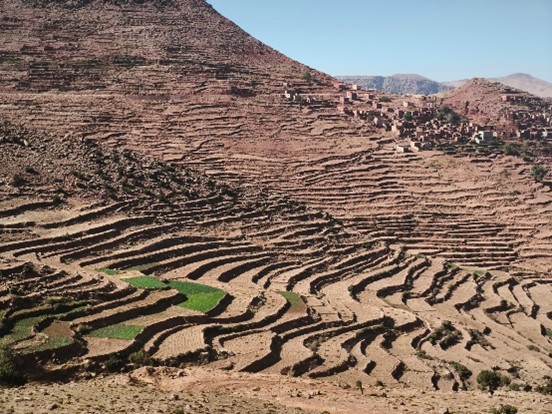
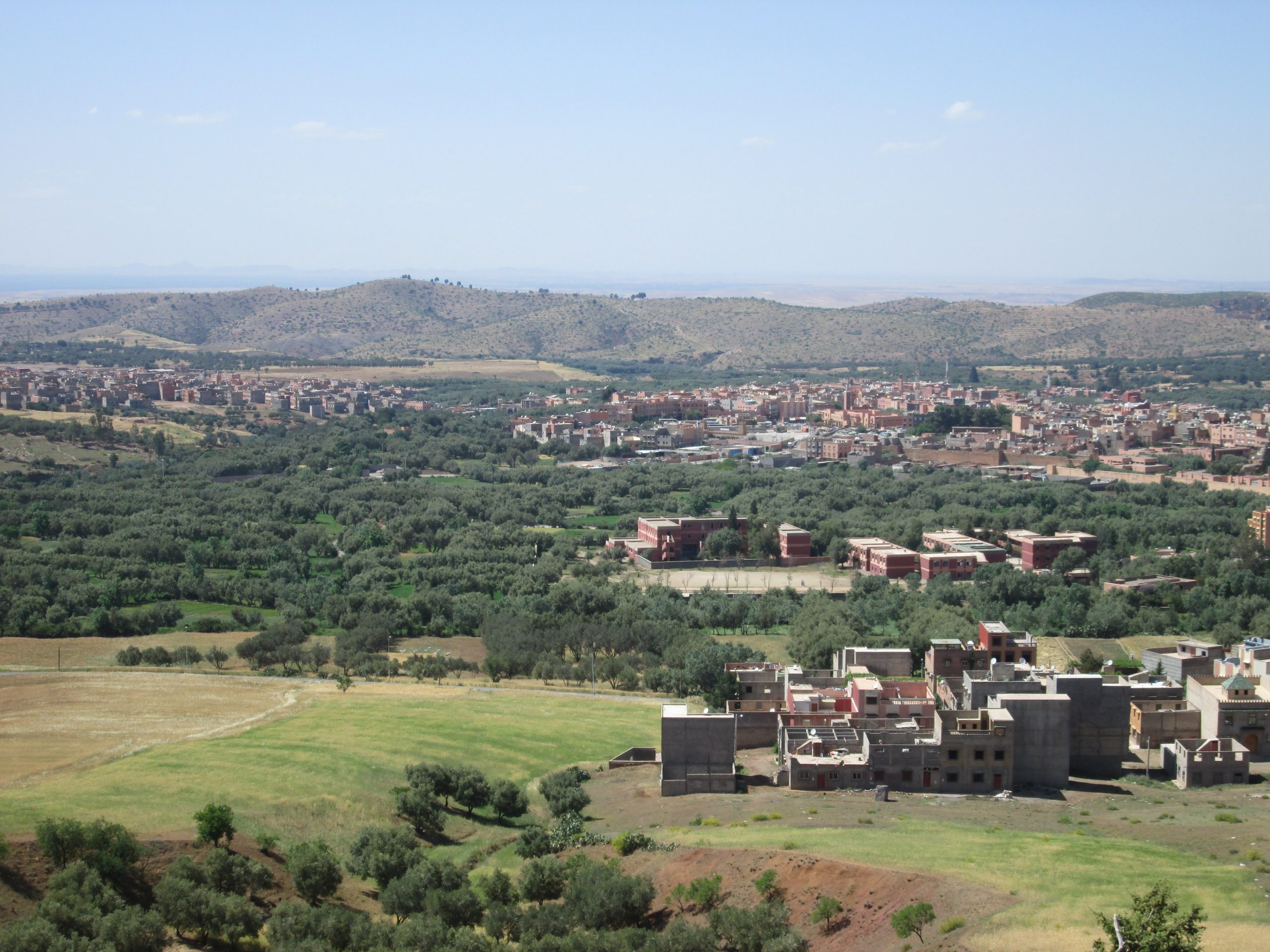
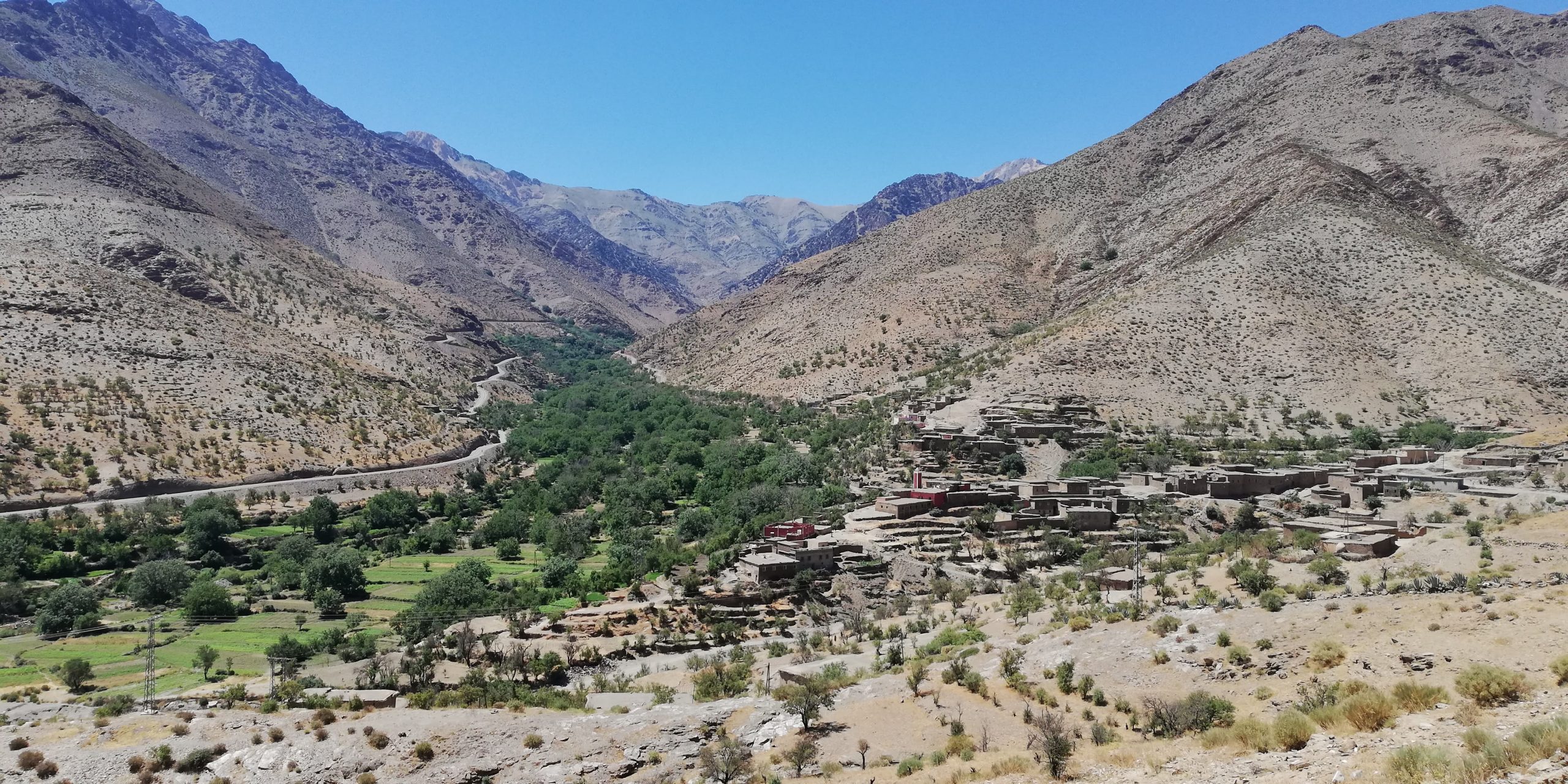
The Ourika Valley has several strengths: (i) it is a strategic sub-basin of the Tensift (with strong potential for agricultural production sectors, notably fruit tree farming, local products, organic agriculture, tourism, and handicrafts), and (ii) it is an emblematic valley with national and international recognition (rich tangible and intangible heritage).
However, the valley also faces multiple constraints and challenges related to the sustainable management of water resources, liquid and solid pollution, tourism, urbanization, and agriculture.
The project has four main objectives:
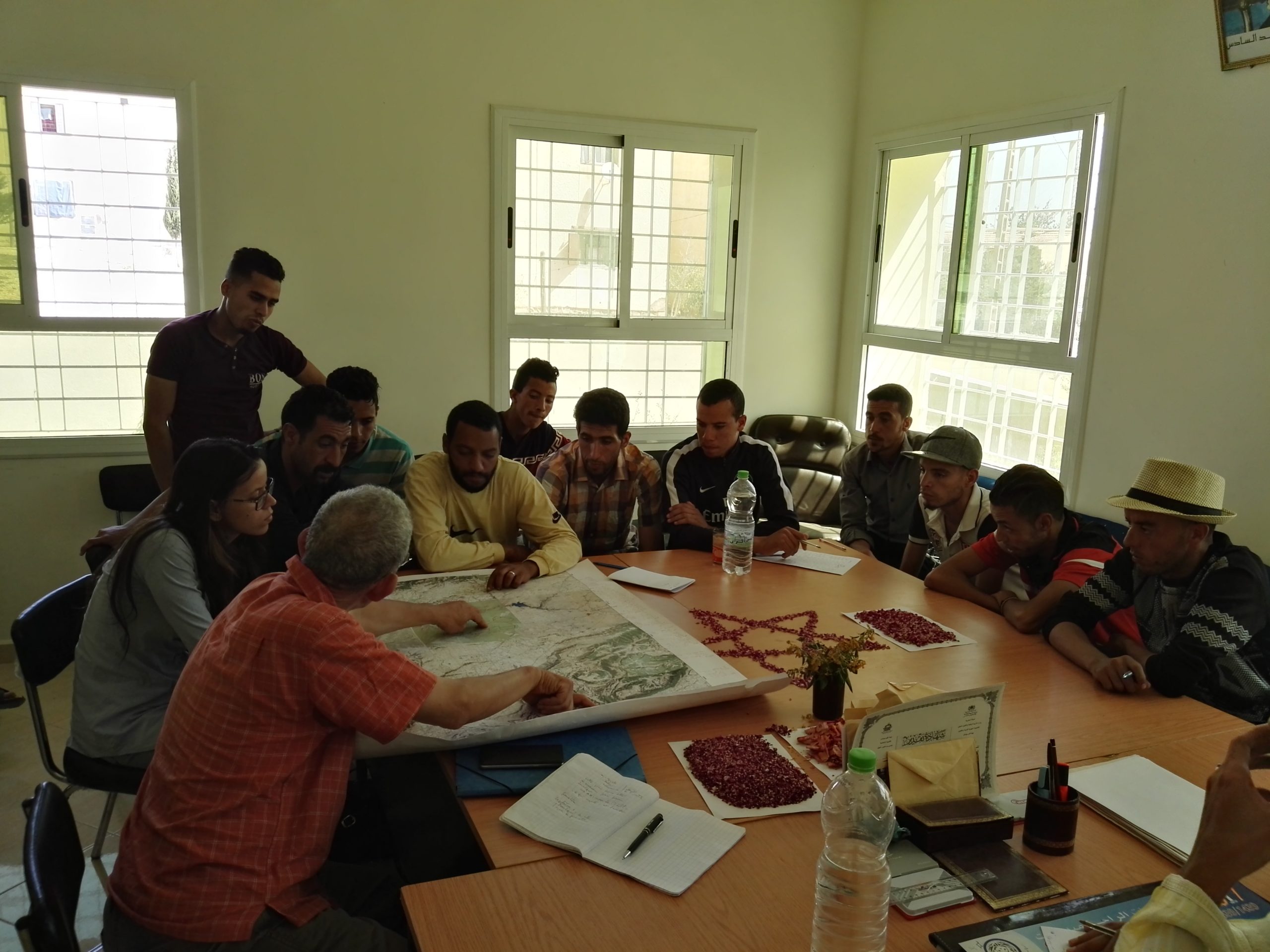
- Strengthen shared understanding of local water management issues by integrating the perceptions, needs, and challenges of stakeholders to support future territorial consultation.
- Provide a solid strategic foundation for developing a participatory management agreement, taking into account the specificities of the Ourika Valley and cross-sectoral challenges (agriculture, tourism, domestic use, and environment).
- Ensure coherence between different territorial dynamics by considering institutional changes, recent local initiatives, and the impacts of climate change and the earthquake.
- Consolidate the resilience of water systems and local communities by identifying levers to better face environmental risks (floods, erosion, pollution) and ensuring sustainable and equitable water resource management for future generations.